


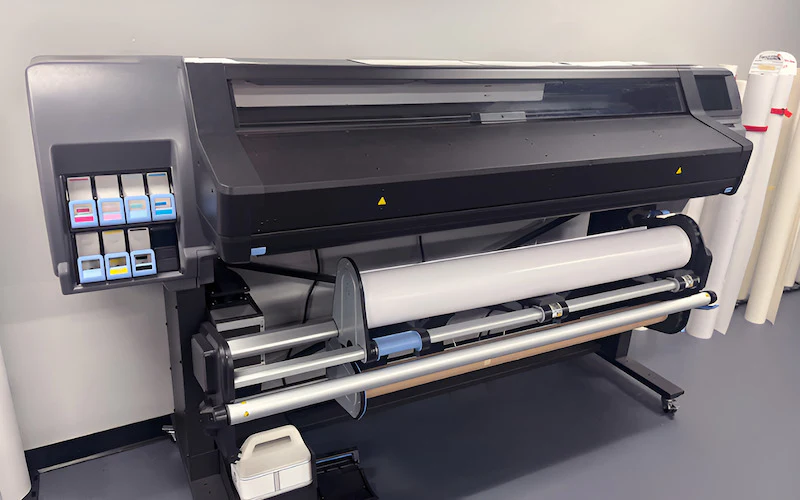
In today’s fast-paced world of design, manufacturing, and creative production, two tools stand out for their precision, versatility, and efficiency: plotter paper and digital cutting machines. Whether you’re an architect drafting blueprints, a fashion designer creating patterns, a sign maker producing large-scale graphics, or a hobbyist bringing intricate projects to life, understanding how these technologies work together can transform your workflow. This comprehensive article explores everything you need to know about plotter paper and digital cutting machines, their individual strengths, combined applications, and best practices for maximizing their potential.
Understanding Plotter Paper: The Foundation of Large-Format Precision
Plotter paper serves as the backbone for many professional and creative projects that require high-quality, large-scale output. Unlike standard printer paper, Plotter paper is specifically engineered for wide-format plotter printers, which can handle rolls or sheets measuring several feet in width. This specialized paper comes in various weights, coatings, and finishes to suit different needs, from matte surfaces ideal for technical drawings to glossy options perfect for vibrant presentations.
The durability and dimensional stability of plotter paper make it indispensable in fields where accuracy is non-negotiable. Engineers and architects rely on it for producing detailed CAD drawings, site plans, and mechanical schematics because it resists tearing, curling, and ink bleeding even under repeated handling. In the graphic design and advertising industries, plotter paper enables the creation of oversized posters, banners, and vehicle wraps that maintain crisp lines and rich colors.
One of the key advantages of plotter paper is its compatibility with both inkjet and laser plotter systems. High-quality bond plotter paper offers excellent ink absorption for sharp, smudge-free results, while coated varieties enhance color vibrancy and drying times. For applications requiring longevity, users often choose opaque or translucent options that can withstand outdoor conditions or frequent revisions.
When selecting plotter paper, factors such as thickness (measured in grams per square meter or mil), core size for roll compatibility, and recyclability should be considered. Environmentally conscious professionals increasingly opt for sustainable plotter paper made from recycled fibers without compromising performance. Proper storage—keeping rolls in a cool, dry place away from direct sunlight—ensures consistent quality across projects.
The Rise of Digital Cutting Machines: Precision Meets Automation
Digital cutting machines represent a revolutionary leap in material processing technology. These computer-controlled devices use blades, knives, or lasers to cut, score, perforate, and crease a wide array of materials based on digital design files. From compact desktop models popular among crafters to industrial-grade systems used in manufacturing, digital cutting machines deliver unparalleled accuracy and repeatability.
Unlike traditional manual cutting methods, which are time-consuming and prone to human error, digital cutting machines follow vector paths with microscopic precision. They excel at handling intricate designs, multiple layers, and complex shapes that would be nearly impossible to achieve by hand. Common materials processed include vinyl, fabric, leather, cardboard, foam, rubber, and specialty films.
Modern digital cutting machines often integrate with popular design software such as Adobe Illustrator, CorelDRAW, or specialized CAD programs. This seamless integration allows designers to move directly from concept to finished product. Advanced features like automatic tool changers, optical registration marks for printed media alignment, and drag-knife or oscillating-knife systems further expand their capabilities.
In the signage and graphics industry, digital cutting machines pair exceptionally well with printed graphics to create custom decals, labels, and dimensional letters. Fashion and textile professionals use them for pattern cutting, while packaging designers rely on them for creating prototypes and short-run production boxes with perfect folds and perforations.
How Plotter Paper and Digital Cutting Machines Work Together
The true power emerges when plotter paper and digital cutting machines are used in tandem within a unified workflow. Plotter paper often serves as the output medium for initial designs or full-scale templates, which are then fed into or processed alongside digital cutting machines for final production.
For example, an interior designer might print architectural elevations or furniture layouts on high-quality plotter paper using a wide-format plotter. These printed plans can then be precisely cut using a digital cutting machine to create scaled models or presentation materials. In apparel design, patterns plotted onto large sheets of plotter paper provide the templates that digital cutters then replicate on actual fabric with perfect alignment.
This combination streamlines prototyping and reduces material waste. Digital files can be plotted for visual review on plotter paper before committing to final cutting on more expensive substrates. Many advanced digital cutting systems even support direct cutting of certain plotter paper grades, allowing for rapid creation of custom stencils, masks, or temporary signage.
Workflow efficiency improves dramatically. Designers export files once and use them across both plotting and cutting stations. Calibration between the plotter and cutting machine ensures registration accuracy, particularly important for printed-and-cut applications where graphics must align perfectly with cut lines.
Key Applications Across Industries
The synergy between plotter paper and digital cutting machines spans numerous sectors:
Architecture and Engineering: Large-format plotter paper remains the standard for reviewing and marking up construction documents. Digital cutting machines then process scaled models from foam board or cardstock derived from those plans.
Signage and Graphics: Plotter paper handles proofing and large banner printing, while digital cutters handle contour cutting of vinyl graphics and application films.
Fashion and Textiles: Pattern makers print designs on plotter paper for fitting tests, then use digital cutters for production runs on fabric rolls.
Packaging and Product Design: Prototypes are often plotted on heavy plotter paper for structural testing before final production cutting.
Education and Crafting: Schools and makerspaces use affordable plotter paper for student projects, complemented by entry-level digital cutting machines for hands-on learning.
Automotive and Aerospace: Technical drawings on plotter paper support design validation, while precision cutting creates gaskets, templates, and interior components.
Benefits of Integrating These Technologies
Businesses that invest in both plotter paper solutions and digital cutting machines report significant advantages:
- Time Savings: Automated processes reduce manual labor from hours to minutes.
- Cost Efficiency: Reduced material waste through precise cutting and reusable digital files.
- Improved Quality: Consistent results across batches with minimal defects.
- Design Flexibility: Rapid iteration from concept to prototype.
- Scalability: Easy transition from small custom jobs to larger production runs.
Additionally, the environmental impact can be minimized by choosing recyclable plotter paper and optimizing cut paths to maximize material usage.
Choosing the Right Plotter Paper and Digital Cutting Machine
Selecting appropriate equipment requires careful consideration of your specific needs. For plotter paper, evaluate your plotter model’s requirements, typical project sizes, and environmental conditions. Test different grades to find the optimal balance between cost and performance.
When choosing digital cutting machines, consider cutting width, material thickness capacity, software compatibility, and speed requirements. Entry-level models suit small businesses and crafters, while industrial systems offer higher throughput for manufacturing environments. Look for machines with robust support ecosystems, including training resources and replacement parts availability.
Maintenance plays a crucial role in longevity. Regularly calibrate plotters for accurate scaling, and keep cutting blades sharp while cleaning machine components to prevent material jams.
Best Practices for Optimal Results
To achieve professional outcomes when working with plotter paper and digital cutting machines:
- Maintain consistent file formats and scaling throughout the workflow.
- Perform test cuts and prints before full production.
- Store materials properly to prevent warping or degradation.
- Invest in quality tools and supplies rather than cutting corners on consumables.
- Train team members on both hardware and supporting software.
- Document workflows for repeatability across projects.
Staying updated with technology advancements, such as improved plotter inks or smarter cutting algorithms, ensures continued competitiveness.
Future Trends in Plotter Paper and Digital Cutting Technology
The future looks promising as these technologies continue evolving. Sustainable plotter paper options with enhanced print quality are becoming more prevalent. Digital cutting machines are incorporating AI for automatic optimization of cut paths and predictive maintenance. Integration with cloud-based design platforms allows remote collaboration and instant file sharing.
Hybrid systems that combine printing and cutting in single devices are gaining traction, further simplifying workflows. As demand for customization grows across consumer and industrial markets, the role of plotter paper and digital cutting machines will only expand.
Conclusion
Plotter paper and digital cutting machines form a powerful duo in the modern creative and manufacturing landscape. By mastering their individual capabilities and understanding how to integrate them effectively, professionals and enthusiasts alike can achieve higher productivity, superior quality, and greater creative freedom. Whether producing architectural renderings, crafting custom products, or developing commercial signage, investing time in learning these tools pays dividends through streamlined processes and outstanding results.
As technology advances, those who embrace the full potential of plotter paper alongside digital cutting machines will stay ahead in an increasingly competitive market. Start exploring the right combination for your needs today, and unlock new levels of precision and efficiency in your projects.