

Modern vehicles are sophisticated machines that rely heavily on electronic systems for optimal performance, safety, and efficiency. Among the most critical components are the Engine Control Unit (ECU) and the speedometer. When these systems malfunction, drivers often face unexpected issues ranging from poor engine performance to inaccurate speed readings. This detailed article explores everything you need to know about Vehicle ECU repairs and Speedo meter repair, providing insights into symptoms, causes, diagnostic processes, repair techniques, and preventive measures.
The Role of the Engine Control Unit (ECU) in Modern Vehicles
The ECU, often referred to as the car’s “brain,” is a vital electronic module that manages numerous engine functions. It continuously monitors data from various sensors, including those for oxygen levels, engine temperature, throttle position, and crankshaft speed. Using this information, the ECU adjusts fuel injection, ignition timing, and other parameters to ensure smooth operation, optimal fuel efficiency, and compliance with emission standards.
Over time, ECUs can develop faults due to several factors such as exposure to extreme temperatures, moisture ingress, electrical surges, or simply wear and tear from prolonged use. When the ECU fails, it can trigger a cascade of problems affecting the entire vehicle.
Common Symptoms of ECU Failure
Recognizing ECU-related issues early can save significant time and money. Drivers should watch for:
- Check Engine Light (CEL) that remains illuminated or flashes intermittently
- Poor engine performance, including hesitation during acceleration, stalling, or rough idling
- Reduced fuel efficiency and increased emissions
- Transmission problems, such as erratic shifting or failure to engage gears properly
- Loss of power or limp mode activation, where the vehicle limits its performance for safety
- Difficulty starting the engine or complete failure to start
These symptoms often overlap with other sensor or wiring issues, making professional diagnosis essential.
Causes of ECU Malfunctions
Several factors contribute to ECU damage:
- Electrical Issues: Voltage spikes from faulty alternators or jump-starting errors can fry internal circuits.
- Environmental Damage: Water intrusion from floods, leaks, or condensation affects sensitive electronics.
- Overheating: Prolonged high temperatures under the hood degrade components.
- Software Corruption: Outdated firmware or failed updates can cause operational glitches.
- Physical Damage: Accidents, vibrations, or rodent damage to wiring harnesses connected to the ECU.
The Process of Vehicle ECU Repairs
Vehicle ECU repairs require specialized knowledge and equipment. The process typically begins with a comprehensive diagnostic scan using OBD-II tools to retrieve trouble codes. Technicians then perform voltage tests, inspect wiring harnesses, and evaluate sensor inputs.
In many cases, the ECU can be repaired rather than replaced, which is more cost-effective. Repair involves:
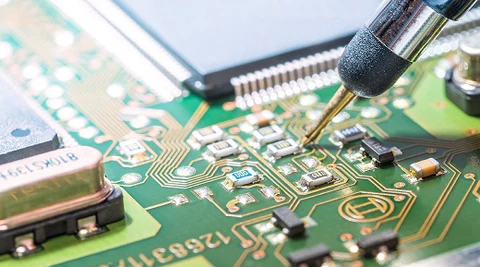
- Opening the ECU housing and inspecting the circuit board for damaged capacitors, resistors, or solder joints.
- Replacing faulty components with high-quality equivalents.
- Reflowing solder connections to fix cold joints caused by thermal cycling.
- Reprogramming or flashing the unit with manufacturer-approved software.
- Sealing the unit properly to prevent future moisture damage.
For newer vehicles with encrypted ECUs, repairs may involve dealer-level tools or specialized reprogramming benches. Always choose certified technicians experienced in Vehicle ECU repairs to avoid voiding warranties or introducing compatibility issues.
When to Repair vs. Replace the ECU
Not every ECU fault requires full replacement. Minor issues like bad solder joints or failed drivers can often be fixed for a fraction of the cost of a new unit. However, severe internal damage, such as burned traces or water-corroded processors, may necessitate replacement. Aftermarket remanufactured ECUs offer a middle-ground solution, providing reliability at a lower price point than OEM parts.
Understanding Speedometer Functionality
The speedometer is more than just a gauge showing vehicle speed—it plays a crucial role in safety and legal compliance. Modern speedometers are electronic, receiving signals from the Vehicle Speed Sensor (VSS) or wheel speed sensors via the ECU or instrument cluster module. Older mechanical systems used cable-driven mechanisms, but these are increasingly rare in contemporary vehicles.
Signs You Need Speedo Meter Repair
Speedo meter repair becomes necessary when you notice:
- Inaccurate readings (speedometer shows higher or lower than actual speed)
- Needle fluctuating erratically or sticking at certain speeds
- Complete failure where the needle stays at zero
- Odometer not advancing properly
- Warning lights related to ABS, traction control, or transmission appearing alongside speed issues
- Cruise control becoming inoperative
These problems can stem from sensor failures, wiring issues, or faults within the instrument cluster itself.
Common Causes of Speedometer Problems
Speedometer malfunctions often trace back to:
- Faulty Vehicle Speed Sensor (VSS)
- Damaged wiring or poor connections between the sensor and the instrument cluster
- ECU communication errors affecting speed signal processing
- Failed stepper motors in analog clusters
- Software glitches in digital instrument panels
- Physical damage from dashboard repairs or aftermarket modifications
In many cases, speedometer issues interconnect with ECU problems, as the ECU processes and distributes speed data to various systems.
The Speedo Meter Repair Process
Professional Speedo meter repair involves several steps:
- Diagnostic Scanning: Retrieve codes related to speed sensors and instrument cluster communication.
- Sensor Testing: Verify the VSS output using multimeters or oscilloscopes.
- Wiring Inspection: Check for breaks, corrosion, or shorts in the harness.
- Cluster Removal and Repair: For internal failures, the instrument cluster is removed, opened, and repaired. This may include replacing faulty stepper motors, capacitors, or entire display units.
- Calibration: After repairs, the speedometer must be calibrated to ensure accuracy using specialized equipment.
- Reinstallation and Testing: Thorough road testing confirms all systems function correctly.
Digital clusters may require programming with vehicle-specific data to match VIN and mileage information.
Interconnection Between ECU and Speedometer Systems
The ECU and speedometer are closely linked. A failing ECU can send incorrect signals to the instrument cluster, causing speedometer errors. Conversely, speed sensor issues can confuse the ECU, leading to transmission problems or reduced performance. Addressing one often requires checking the other, highlighting the importance of holistic diagnostics.
DIY vs. Professional Repairs
While some basic troubleshooting (like checking fuses or battery connections) can be done at home, both Vehicle ECU repairs and Speedo meter repair generally require professional intervention. DIY attempts risk further damage, incorrect programming, or safety issues. Certified auto electronics specialists use advanced tools unavailable to most home mechanics and provide warranties on their work.
Preventive Maintenance Tips
To minimize the need for major repairs:
- Regularly inspect and maintain the vehicle’s electrical system
- Address check engine lights promptly
- Avoid driving through deep water
- Keep the battery and alternator in good condition
- Follow manufacturer-recommended software updates
- Use quality replacement parts when servicing related components
- Protect the ECU and instrument cluster from excessive heat and vibration
Cost Considerations
Repair costs vary widely depending on vehicle make, model, and severity of damage. ECU repairs might range from a few hundred to over a thousand dollars, while speedometer fixes are often more affordable but can escalate if cluster replacement is needed. Investing in timely repairs prevents more expensive secondary damage to related systems like transmissions or fuel delivery components.
The Future of Vehicle Electronics
As vehicles become increasingly electronic and software-driven—with the rise of hybrid, electric, and autonomous technologies—expertise in systems like ECUs and digital clusters will only grow in importance. Understanding these components empowers vehicle owners to make informed decisions about maintenance and repairs.
Whether you’re dealing with persistent engine warning lights or unreliable speed readings, addressing issues through qualified Vehicle ECU repairs and Speedo meter repair services ensures your vehicle remains safe, reliable, and efficient. Regular maintenance and prompt attention to warning signs can extend the life of these critical electronic systems significantly.
By staying informed about your vehicle’s electronic health, you can enjoy peace of mind on every journey. If you’re experiencing any of the symptoms described, consult a trusted automotive electronics specialist for accurate diagnosis and effective solutions.