

Trees and hedges are among the most valuable features of any residential or commercial landscape. They provide beauty, privacy, shade, environmental benefits, and even increase property value. However, maintaining trees and hedges requires more than occasional trimming or pruning. Proper care ensures healthy growth, prevents safety hazards, and helps property owners remain compliant with local regulations.
Across the United Kingdom, homeowners, landlords, businesses, and local authorities are increasingly recognizing the importance of professional tree maintenance and responsible hedge management. Whether dealing with mature trees that require specialist attention or boundary hedges that need regular upkeep, understanding best practices can save time, money, and potential legal complications.
Why Trees Are Essential for Modern Landscapes
Trees contribute significantly to the environment and overall quality of life. They absorb carbon dioxide, release oxygen, provide habitats for wildlife, and help regulate temperatures in urban environments. Their presence can transform a plain outdoor space into a vibrant and attractive setting.
Beyond environmental benefits, trees offer practical advantages. They provide shade during warmer months, reduce noise pollution, and act as natural windbreaks. Studies have also shown that green spaces and mature trees can improve mental well-being and contribute to healthier communities.
Because trees play such an important role, maintaining them correctly is crucial. Neglected trees can become diseased, structurally unstable, or hazardous to people and property.
The Role of Professional Tree Surgeons
Tree care is a specialized profession that requires extensive knowledge, training, and experience. Professional arborists understand tree biology, disease management, pruning techniques, and safety procedures.
A qualified Tree surgeon Leicester can help property owners maintain healthy trees while minimizing risks. Their expertise includes assessing tree health, identifying structural weaknesses, removing dangerous branches, and advising on long-term maintenance strategies.
Tree surgery involves much more than simply cutting branches. Professionals consider factors such as tree species, growth patterns, environmental conditions, and surrounding structures before undertaking any work. This careful approach helps preserve the health and appearance of trees while ensuring public safety.
Common Tree Problems Faced by Property Owners
Many property owners encounter challenges when managing trees on their land. Some of the most common issues include:
Disease and Infection
Trees can suffer from fungal infections, bacterial diseases, and pest infestations. Early detection is essential because untreated conditions can spread rapidly and lead to significant damage or tree loss.
Storm Damage
Strong winds, heavy rain, and snow can weaken branches or uproot entire trees. After severe weather events, professional inspections are often necessary to identify hidden structural problems.
Overgrown Branches
Branches that extend over roofs, roads, or neighboring properties can create safety hazards. Regular pruning helps prevent accidents and property damage.
Root Problems
Tree roots can interfere with foundations, driveways, drainage systems, and underground utilities. Professional assessments can determine appropriate solutions without unnecessarily removing valuable trees.
Deadwood Accumulation
Dead branches not only detract from a tree’s appearance but also present safety risks. Removing deadwood improves both aesthetics and safety.
Benefits of Regular Tree Maintenance
Preventive maintenance is often more cost-effective than dealing with emergencies. Regular inspections and pruning provide several advantages:
- Improved tree health
- Enhanced appearance
- Reduced risk of branch failure
- Better light penetration
- Increased property value
- Early identification of diseases
- Greater public safety
Routine maintenance also helps trees withstand adverse weather conditions and continue thriving for many years.
Understanding Hedge Management
Hedges serve a variety of purposes in British landscapes. They define boundaries, provide privacy, shelter wildlife, and enhance garden aesthetics. Popular hedge species include privet, yew, beech, laurel, and leylandii.
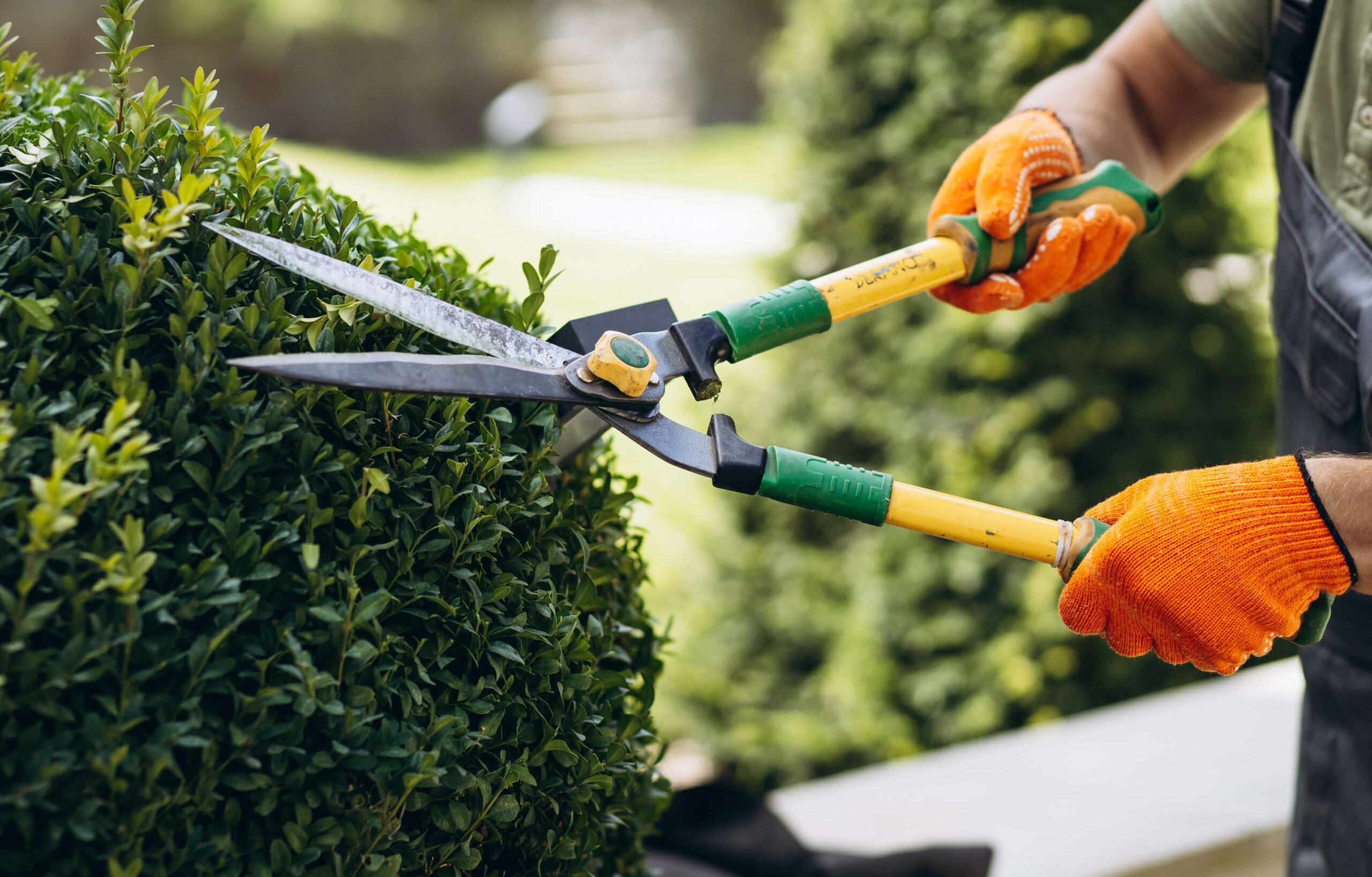
Like trees, hedges require regular care to remain healthy and attractive. Neglected hedges can become excessively large, obstruct pathways, reduce visibility, and create disputes between neighbors.
Proper hedge maintenance typically involves:
- Seasonal trimming
- Disease monitoring
- Shape management
- Height control
- Removal of dead growth
- Encouraging healthy regeneration
A well-maintained hedge contributes significantly to the overall appearance and functionality of a property.
Neighbor Disputes and Overgrown Hedges
One of the most common causes of neighborhood disagreements involves hedge height and maintenance. Large hedges can block sunlight, obstruct views, and create a sense of enclosure for neighboring properties.
Leylandii hedges are particularly known for growing rapidly and reaching significant heights if left unmanaged. While many homeowners appreciate the privacy they provide, neighboring residents may experience concerns regarding light reduction and property enjoyment.
Communication between neighbors often resolves issues before they escalate. However, understanding legal responsibilities is equally important.
Understanding Hedge Cutting Laws in the UK
Property owners should familiarize themselves with Hedge cutting laws in the UK to avoid disputes and ensure compliance with regulations.
The UK has specific legislation designed to address complaints regarding excessively high hedges. Under the Anti-social Behaviour Act 2003, local authorities have powers to investigate complaints about high hedges that negatively affect neighboring properties.
A hedge generally falls under these provisions if it:
- Consists of two or more evergreen or semi-evergreen trees or shrubs.
- Exceeds two meters in height.
- Forms a barrier to light or access.
Before involving local authorities, neighbors are typically expected to attempt resolving issues amicably. Councils may charge fees for investigating formal complaints and can issue remedial notices requiring hedge reduction if justified.
Understanding these legal requirements helps property owners balance privacy needs with the rights of neighboring residents.
Wildlife Considerations During Hedge Maintenance
Hedges provide important habitats for birds, insects, and small mammals. Consequently, hedge maintenance should be carried out responsibly.
The nesting season, generally between March and August, requires particular care. Disturbing active bird nests may violate wildlife protection laws. Before undertaking major trimming work, property owners should inspect hedges carefully or consult professionals who understand environmental obligations.
Protecting wildlife while maintaining landscapes demonstrates responsible stewardship and helps preserve local biodiversity.
Safety Risks Associated with DIY Tree Work
Many homeowners are tempted to undertake tree work themselves. While minor pruning may be manageable, larger projects often involve significant risks.
Potential dangers include:
- Falls from height
- Chainsaw injuries
- Falling branches
- Property damage
- Electrical hazards
- Structural instability
Tree surgery frequently requires specialized equipment, climbing techniques, and safety protocols. Professional contractors possess the training and insurance necessary to perform work safely and efficiently.
Attempting complex tree work without proper expertise can result in serious accidents and costly mistakes.
Choosing a Qualified Tree Professional
Selecting the right contractor is essential for achieving high-quality results. Property owners should consider several factors when hiring tree specialists.
Experience and Qualifications
Professionals should possess recognized arboricultural qualifications and practical experience handling various tree species and conditions.
Insurance Coverage
Adequate public liability insurance protects both the contractor and property owner in case of accidents or damage.
Reputation
Customer reviews, recommendations, and previous project examples provide valuable insights into service quality.
Safety Standards
Reliable contractors follow industry best practices and comply with relevant health and safety regulations.
Detailed Assessments
Professional arborists conduct thorough evaluations before recommending any work, ensuring solutions are appropriate and beneficial.
Seasonal Tree and Hedge Care Tips
Different seasons require different maintenance approaches.
Spring
Spring is ideal for inspecting winter damage, identifying diseases, and encouraging healthy growth.
Summer
Summer maintenance often focuses on monitoring tree health and performing light pruning where appropriate.
Autumn
Autumn provides an opportunity to remove dead branches and prepare landscapes for winter conditions.
Winter
Dormant-season pruning is suitable for many tree species because reduced foliage improves visibility and minimizes stress on the tree.
Regular seasonal attention helps maintain healthy landscapes throughout the year.
Environmental Benefits of Responsible Tree and Hedge Management
Properly maintained trees and hedges contribute to broader environmental goals. They help reduce carbon emissions, support wildlife populations, improve air quality, and enhance urban resilience against climate change.
Healthy vegetation also assists with water management by reducing runoff and promoting soil stability. In increasingly developed environments, preserving green infrastructure has become more important than ever.
By investing in professional care and understanding legal responsibilities, property owners can contribute positively to both their communities and the environment.
Conclusion
Trees and hedges are valuable assets that require ongoing care, attention, and responsible management. While they enhance property appearance, provide environmental benefits, and improve quality of life, they also carry responsibilities that should not be overlooked.
Professional tree care helps maintain safety, preserve tree health, and prevent costly problems before they arise. At the same time, understanding hedge regulations ensures harmonious relationships with neighbors and compliance with UK legislation.
Whether maintaining mature trees, managing boundary hedges, or addressing concerns about growth and safety, informed decisions are essential. With proper planning, routine maintenance, and expert guidance when needed, property owners can enjoy attractive, healthy landscapes for many years to come.