


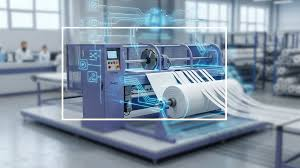
The textile and apparel industry has undergone remarkable changes over the past few decades. From traditional hand-operated tools to highly sophisticated automated systems, manufacturers have continuously sought ways to improve productivity, accuracy, and efficiency. One of the most significant advancements in modern textile production is the introduction of intelligent cutting equipment that minimizes waste, enhances precision, and accelerates manufacturing processes.
As global demand for clothing, upholstery, industrial fabrics, and technical textiles continues to rise, businesses are increasingly investing in advanced cutting solutions. These technologies not only improve operational efficiency but also help companies maintain consistent quality standards while reducing labor costs. Among the most valuable innovations in this area are the Fabric cutter machine and the digital cutting machine, both of which have become essential components of modern manufacturing environments.
The Evolution of Fabric Cutting
Fabric cutting has always been one of the most critical stages in textile production. Historically, workers relied on scissors, manual knives, and simple mechanical tools to cut materials. While these methods were sufficient for small-scale operations, they often resulted in inconsistencies, material waste, and slower production rates.
As the industry expanded, manufacturers required more reliable methods capable of handling larger volumes while maintaining precision. Mechanical cutting systems emerged as a solution, followed by computerized equipment that significantly improved accuracy and efficiency.
Today, advanced cutting technologies use software-controlled systems capable of processing complex designs with minimal human intervention. This evolution has transformed the way textiles are manufactured across numerous industries.
Why Precision Matters in Textile Manufacturing
Precision is a key factor in textile production because even small errors can result in significant material waste and increased costs. In industries where thousands of pieces are cut daily, inaccuracies can quickly accumulate and affect profitability.
Accurate cutting provides several important benefits:
- Reduced material waste
- Consistent product quality
- Faster production cycles
- Lower labor requirements
- Improved customer satisfaction
- Enhanced scalability
Modern cutting technologies address these challenges by ensuring that every cut follows exact specifications, regardless of production volume.
Understanding Modern Fabric Cutting Systems
Today’s cutting equipment integrates advanced software, automated controls, and high-performance cutting mechanisms. These systems are designed to handle various materials, including cotton, polyester, denim, leather, composites, and technical fabrics.
Manufacturers can upload digital patterns directly into the system, allowing machines to execute intricate cuts with exceptional precision. This eliminates many of the human errors associated with traditional methods.
The ability to automate repetitive tasks enables businesses to increase output while maintaining strict quality standards.
The Role of the Fabric Cutter Machine
A Fabric cutter machine serves as a cornerstone of modern textile production. These machines are specifically designed to cut fabric layers quickly and accurately, making them indispensable for garment manufacturers, furniture producers, automotive suppliers, and industrial textile companies.
Modern fabric cutting machines offer numerous advantages over manual methods. They can process multiple layers simultaneously, reducing production time while maintaining consistent results. Their precision ensures that every pattern piece meets exact dimensions, minimizing waste and rework.
In addition, advanced fabric cutters can accommodate a wide range of materials and thicknesses, making them versatile tools for various manufacturing applications.
Automation and Efficiency in Manufacturing
Automation has become a major driving force behind industrial growth. Manufacturers are constantly looking for ways to streamline operations, reduce costs, and improve productivity.
Automated cutting systems contribute significantly to these objectives by:
- Eliminating repetitive manual tasks
- Reducing dependency on skilled labor
- Increasing production speed
- Improving workplace safety
- Enhancing resource utilization
These benefits allow companies to remain competitive in increasingly demanding markets while maintaining high-quality output.
Digital Transformation in Textile Production
Digital technologies are reshaping every aspect of manufacturing, including fabric cutting. The integration of computer-aided design (CAD) and computer-aided manufacturing (CAM) systems has enabled unprecedented levels of precision and flexibility.
Designers can create complex patterns digitally and transfer them directly to cutting equipment. This seamless workflow eliminates the need for physical templates and reduces the risk of errors during production.
As a result, manufacturers can respond more quickly to changing customer demands and market trends.
Advantages of a Digital Cutting Machine
A digital cutting machine represents one of the most advanced solutions available in modern manufacturing environments. Unlike traditional cutting systems, digital machines rely on computerized controls and sophisticated software to execute highly precise cuts.
These machines provide several important advantages:
Exceptional Accuracy
Digital cutting systems can follow intricate patterns with remarkable precision. This level of accuracy is particularly important for industries producing complex garments, technical textiles, and customized products.
Reduced Material Waste
Optimized nesting software allows manufacturers to arrange pattern pieces efficiently across fabric surfaces. This maximizes material utilization and minimizes waste.
Faster Production Speeds
Automated digital systems can operate continuously with minimal supervision, significantly increasing output compared to manual methods.
Greater Design Flexibility
Manufacturers can quickly switch between designs without changing physical templates, making digital cutting ideal for short production runs and custom orders.
Improved Consistency
Every cut follows the same programmed specifications, ensuring consistent quality throughout production.
Applications Across Multiple Industries
Advanced cutting technologies are used in a wide range of sectors beyond apparel manufacturing.
Fashion and Garment Production
Fashion brands rely on precision cutting to create high-quality garments that meet strict design specifications. Automated systems help manufacturers achieve consistent sizing and fit while accelerating production.
Furniture and Upholstery
Furniture manufacturers use cutting equipment to process fabrics, leather, and foam materials accurately. Precision cutting ensures proper alignment and reduces material waste.
Automotive Industry
Vehicle interiors require precisely cut textiles and composite materials. Automated cutting systems help automotive suppliers meet rigorous quality standards.
Aerospace and Technical Textiles
Technical fabrics used in aerospace, defense, and industrial applications demand exceptional accuracy. Advanced cutting technologies provide the precision necessary for these specialized materials.
Sportswear and Performance Apparel
Modern sportswear often incorporates innovative materials and complex designs. Digital cutting solutions enable manufacturers to produce these products efficiently while maintaining quality.
Sustainability Benefits
Sustainability has become a major concern for manufacturers worldwide. Reducing waste and improving resource efficiency are critical goals for companies seeking to minimize their environmental impact.
Advanced cutting systems contribute to sustainability efforts by:
- Optimizing material usage
- Reducing scrap generation
- Lowering energy consumption
- Minimizing production errors
- Supporting lean manufacturing practices
These benefits help organizations achieve both environmental and financial objectives.
Improving Workplace Safety
Manual cutting processes can expose workers to various risks, including repetitive strain injuries and accidental cuts. Automated cutting equipment significantly improves workplace safety by reducing direct interaction with cutting tools.
Operators can manage production through digital interfaces while the machine performs the cutting tasks. This creates a safer and more efficient working environment.
The Importance of Software Integration
Software plays a crucial role in modern cutting operations. Advanced systems integrate seamlessly with design, production planning, and inventory management platforms.
This integration enables manufacturers to:
- Streamline workflows
- Track production data
- Improve scheduling
- Reduce lead times
- Enhance decision-making
By connecting cutting equipment with broader manufacturing systems, businesses can achieve greater operational efficiency.
Challenges and Considerations
While advanced cutting technologies offer numerous benefits, manufacturers should carefully evaluate their requirements before investing in new equipment.
Key considerations include:
- Production volume
- Material types
- Available workspace
- Software compatibility
- Training requirements
- Maintenance needs
- Budget constraints
A thorough assessment helps ensure that the chosen solution aligns with business objectives and operational demands.
Future Trends in Cutting Technology
The future of textile manufacturing will likely be shaped by continued advancements in automation, artificial intelligence, and data analytics.
Emerging technologies may include:
- AI-driven pattern optimization
- Predictive maintenance systems
- Enhanced robotics integration
- Cloud-based production management
- Real-time performance monitoring
- Smart factory connectivity
These innovations will further improve efficiency, accuracy, and sustainability across the industry.
Conclusion
The textile industry is experiencing a profound transformation driven by technological innovation. Modern cutting solutions have revolutionized production processes by delivering higher levels of accuracy, efficiency, and consistency than ever before.
The adoption of a Fabric cutter machine enables manufacturers to streamline operations, reduce waste, and improve product quality. At the same time, a digital cutting machine provides the flexibility and precision needed to meet the demands of today’s competitive marketplace.
As automation and digital technologies continue to evolve, advanced cutting systems will remain at the forefront of textile manufacturing, helping businesses increase productivity, enhance sustainability, and deliver superior products to customers around the world.