

Windows are more than just openings in your walls—they are essential architectural elements that influence natural light, ventilation, energy efficiency, security, and the overall aesthetic of your property. Whether you are building a new home, renovating an existing one, or simply upgrading outdated fixtures, selecting the right window style and material can dramatically transform your living space. Among the most popular and versatile options available today are casement windows and aluminium windows. These two categories often overlap, as many modern casement designs feature aluminium frames, combining classic functionality with contemporary durability.
In this comprehensive article, we will explore everything you need to know about these window types, their benefits, installation considerations, maintenance requirements, and how they compare to other popular styles. By the end, you’ll have a clear understanding of why casement window designs and aluminium windows continue to dominate residential and commercial projects alike.
Understanding Casement Windows: Timeless Design Meets Modern Performance
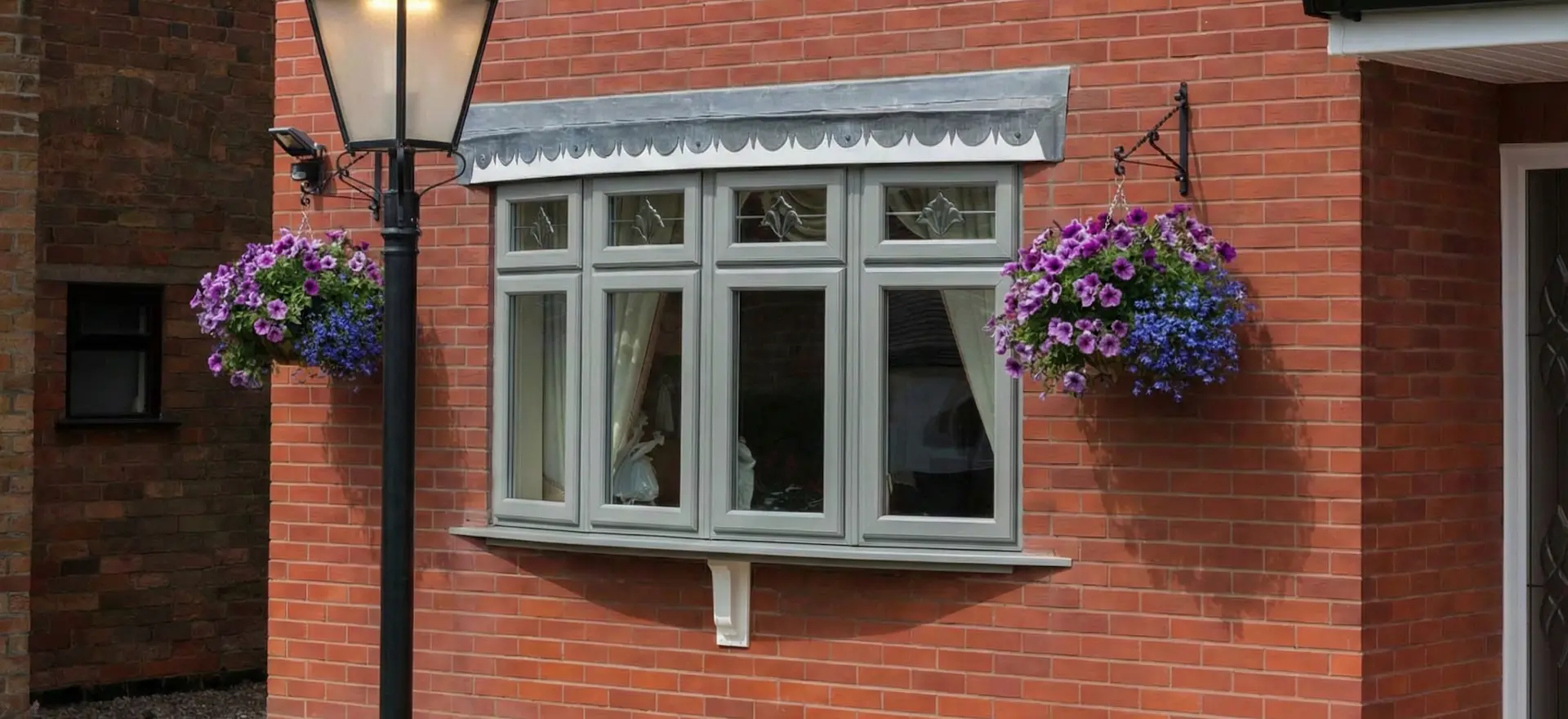
A casement window is a hinged window that swings open outward (or occasionally inward) from one side, much like a door. This design has been around for centuries but remains highly relevant due to its superior ventilation capabilities and sleek appearance. Unlike double-hung or sliding windows that only open partially, a casement window can open fully, allowing maximum airflow into your home.
Casement windows are typically operated using a crank mechanism at the bottom or side of the frame, making them easy to open and close even on upper floors. This crank system also provides excellent sealing when closed, contributing to better energy efficiency. Many homeowners prefer casement window styles for kitchens, living rooms, and bedrooms where fresh air circulation is a priority.
Key Advantages of Casement Windows:
- Superior Ventilation: Because they open fully, casement windows create a powerful breeze that can quickly refresh indoor air.
- Unobstructed Views: With no overlapping sashes, they offer clear, expansive sightlines to the outdoors.
- Weather Resistance: When properly installed and sealed, they perform exceptionally well against wind and rain.
- Security Features: Modern casement windows often include multi-point locking systems that make them harder to force open from the outside.
- Energy Efficiency: Tight seals and the ability to incorporate high-performance glass (such as Low-E or double-glazed units) help reduce heating and cooling costs.
Casement windows come in various configurations, including single units, pairs (French-style), or even combinations with fixed picture windows. They work beautifully in both traditional and contemporary homes, adding architectural interest with their clean lines and functional appeal.
The Rise of Aluminium Windows: Strength, Style, and Sustainability
Aluminium windows have revolutionized the window industry with their exceptional strength-to-weight ratio, minimal maintenance requirements, and modern aesthetic. Aluminium frames are incredibly durable and can withstand harsh weather conditions without warping, rotting, or rusting—common problems with wood or vinyl alternatives.
One of the biggest advantages of aluminium windows is their slim profile. This allows for larger glass areas, maximizing natural light while maintaining structural integrity. The material’s versatility also means it can be powder-coated or anodized in virtually any color, enabling seamless integration with your home’s exterior palette.
Benefits of Choosing Aluminium Windows:
- Low Maintenance: Unlike wood, which requires regular painting or staining, aluminium frames need little more than occasional cleaning.
- Durability: Aluminium is resistant to corrosion, making it ideal for coastal areas or regions with extreme temperature fluctuations.
- Recyclability: Aluminium is one of the most sustainable building materials, as it can be recycled indefinitely without losing quality.
- Thermal Performance: Modern aluminium windows often incorporate thermal breaks—insulating barriers within the frame—that significantly reduce heat transfer and condensation issues.
- Design Flexibility: Available in a wide range of styles, including casement, sliding, awning, and fixed configurations.
When paired with high-quality glazing, aluminium windows deliver outstanding energy performance while offering a contemporary look that complements minimalist, industrial, or luxury architectural designs.
Casement Windows with Aluminium Frames: The Perfect Marriage
Many of today’s most popular casement window installations actually feature aluminium windows frames. This combination leverages the best qualities of both: the superior opening mechanism and ventilation of casement designs with the strength, slim lines, and longevity of aluminium.
Aluminium-framed casement windows are particularly favored in new construction and major renovations because they:
- Provide a sleek, modern appearance without bulky frames eating into the glass area.
- Offer excellent structural stability for larger window openings.
- Allow for customization in finishes to match surrounding architectural details.
- Deliver long-term value through reduced maintenance and energy savings.
Homeowners in variable climates often choose this combination for its ability to handle strong winds while maintaining an airtight seal when closed.
Comparing Casement and Aluminium Windows to Other Styles
While casement window and aluminium windows options excel in many areas, it’s helpful to understand how they stack up against alternatives:
- Vs. Double-Hung Windows: Double-hung styles offer traditional appeal but provide less ventilation and are harder to clean. Casement windows win for airflow and ease of maintenance.
- Vs. Sliding Windows: Sliding units are space-efficient but don’t open fully and can feel less secure. Aluminium sliding windows are popular for patios, but casement designs often outperform them in energy efficiency.
- Vs. Wood Windows: Wood offers warmth and classic beauty but demands regular upkeep. Aluminium provides similar aesthetics (with proper finishes) at far lower long-term maintenance costs.
- Vs. Vinyl Windows: Vinyl is affordable and energy-efficient but can become brittle over time and offers fewer color options. Aluminium provides superior strength and design versatility.
For many projects, a hybrid approach works best—using aluminium windows in high-exposure areas and traditional materials where budget or historic preservation requirements apply.
Installation Considerations for Casement and Aluminium Windows
Proper installation is crucial for performance and longevity. Professional installers will ensure:
- Correct sizing and leveling to prevent operational issues.
- High-quality flashing and sealing to keep water out.
- Proper integration with insulation and weather barriers.
- Compliance with local building codes and energy standards.
When installing casement window units with aluminium frames, attention must be paid to the crank mechanism’s smooth operation and the alignment of locking points. In new builds, it’s often easier to coordinate window placement early in the framing stage. For retrofits, careful removal of old windows helps preserve surrounding trim and siding.
Maintenance Tips to Maximize Longevity
Aluminium windows are famously low-maintenance, but a few simple habits will keep them looking and performing their best:
- Clean frames and glass with mild soap and water twice a year.
- Lubricate hinges and cranks on casement units annually.
- Inspect seals and weatherstripping for wear, replacing as needed.
- Avoid abrasive cleaners that could damage powder-coated finishes.
With minimal effort, quality casement window and aluminium windows installations can last 30 years or more while continuing to enhance your home’s curb appeal and comfort.
Energy Efficiency and Environmental Impact
Today’s advanced glazing technologies—such as argon-filled double or triple glazing, Low-E coatings, and warm-edge spacers—make both casement and aluminium windows highly energy-efficient. Many manufacturers offer products that meet or exceed ENERGY STAR standards, helping homeowners reduce utility bills and carbon footprints.
Aluminium’s recyclability further boosts its environmental credentials. Choosing windows with recycled content and responsible sourcing supports sustainable building practices without compromising performance.
Choosing the Right Windows for Your Specific Needs
When deciding between different casement window configurations or aluminium windows styles, consider these factors:
- Climate: In windy or rainy areas, casement windows with robust seals perform exceptionally well.
- Architectural Style: Modern homes benefit from slim aluminium frames, while traditional homes may prefer wood-look finishes.
- Budget: While initial costs for premium aluminium casement windows may be higher, long-term savings on maintenance and energy often justify the investment.
- Orientation: South-facing windows may need specialized solar control glass, while north-facing ones prioritize maximum light transmission.
- Usage: Kitchens and bathrooms benefit from easy-to-operate casement designs for ventilation.
Consulting with experienced window specialists can help match the perfect solution to your home’s unique requirements.
Future Trends in Window Technology
The window industry continues to evolve with smart technologies, including integrated blinds, automated opening systems, and advanced sensors that monitor air quality and automatically adjust ventilation. Aluminium windows are particularly well-suited for these innovations due to their structural strength and compatibility with electronic components. Expect to see more seamless integration between windows, home automation systems, and energy management platforms in the coming years.
Conclusion: Investing in Quality Windows Pays Dividends
Whether you’re drawn to the classic functionality of a casement window or the modern durability of aluminium windows, making an informed choice will enhance your home’s comfort, beauty, and value for decades to come. These window solutions offer an outstanding balance of performance, aesthetics, and practicality that few other building elements can match.
By prioritizing quality materials, professional installation, and appropriate glazing, you can create living spaces that are brighter, more energy-efficient, and more enjoyable year-round. As you plan your next home improvement project, take time to explore the full range of casement and aluminium options available—they may just be the perfect upgrade your home has been waiting for.