


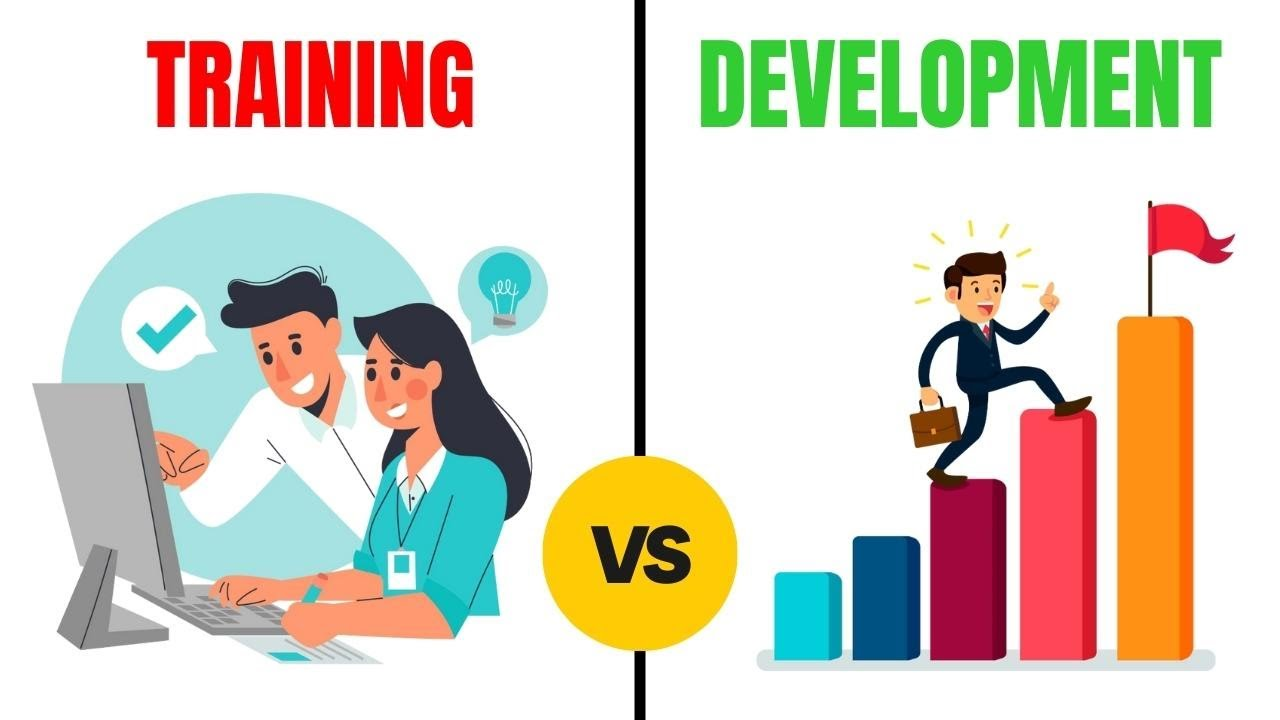
Healthcare is one of the most demanding and rewarding sectors in the world. Every day, healthcare professionals are entrusted with the responsibility of caring for individuals who rely on their expertise, compassion, and commitment. As patient needs become increasingly complex, the importance of ongoing professional development and specialized training continues to grow. Healthcare workers must remain up to date with the latest techniques, regulations, and best practices to ensure safe, effective, and person-centered care.
Training is not simply a requirement for compliance; it is a vital component of delivering high-quality services. Whether working in hospitals, care homes, community settings, or patients’ homes, healthcare professionals benefit from continuous learning opportunities that enhance their knowledge and confidence. Among the many forms of professional development available, specialized clinical training and ongoing educational programs play a crucial role in improving patient outcomes and supporting career growth.
Why Healthcare Training Matters
Healthcare environments are constantly evolving. New technologies, updated regulations, changing patient demographics, and emerging medical conditions require professionals to adapt and develop new skills. Training helps staff stay informed and capable of responding effectively to these changes.
Proper training also reduces the likelihood of errors, improves communication among care teams, and promotes safer working environments. Patients and their families place immense trust in healthcare providers, expecting competent and compassionate care. Ongoing education ensures that this trust is justified through consistently high standards of practice.
Furthermore, healthcare organizations benefit from investing in staff development. Well-trained employees tend to be more confident, productive, and engaged in their roles. This often results in better patient satisfaction, reduced staff turnover, and improved overall performance.
The Growing Need for Specialized Clinical Skills
As healthcare services become more specialized, professionals increasingly require targeted training in specific areas of patient care. Certain procedures demand not only theoretical understanding but also practical competence and confidence.
One example is Catheter Care Training, which equips healthcare professionals with the knowledge and skills necessary to manage urinary catheters safely and effectively. Catheter management is a critical aspect of care for many patients, particularly older adults, individuals with mobility challenges, and those recovering from surgery or living with chronic medical conditions.
Improper catheter care can lead to complications such as infections, discomfort, blockages, and unnecessary hospital admissions. Through comprehensive training, healthcare workers learn how to maintain hygiene standards, monitor for potential complications, support patient dignity, and follow evidence-based procedures. This specialized knowledge significantly contributes to improved patient safety and quality of life.
Healthcare professionals who receive focused training in areas such as catheter care are better prepared to provide consistent and effective support, reducing risks while promoting positive health outcomes.
Patient Safety as a Primary Objective
Patient safety remains one of the most important priorities in healthcare. Every procedure, intervention, and care plan should be designed with patient wellbeing at its core. Training programs provide healthcare workers with the skills needed to identify risks, follow established protocols, and make informed decisions in challenging situations.
Education helps professionals understand how to prevent avoidable incidents and respond appropriately when concerns arise. It reinforces the importance of infection control, safeguarding, medication management, and clinical documentation.
Specialized training also improves confidence when dealing with complex care requirements. Staff members who understand both the theory and practical application of healthcare procedures are more likely to deliver safe and effective care consistently.
Supporting Professional Development
Professional growth is an essential aspect of any healthcare career. Employees who actively pursue learning opportunities often experience greater job satisfaction and enhanced career prospects. Continuous education allows individuals to expand their expertise, take on additional responsibilities, and remain competitive within the industry.
Healthcare employers increasingly value professionals who demonstrate a commitment to lifelong learning. Evidence of ongoing training shows dedication to maintaining high standards and adapting to evolving healthcare needs.
Professional development also helps individuals build confidence in their abilities. As healthcare workers gain new knowledge and practical skills, they become better equipped to handle a wide variety of situations and patient needs.
The Value of Continuing Professional Development
Continuing Professional Development (CPD) has become an integral part of modern healthcare practice. CPD encourages professionals to continually assess and improve their knowledge throughout their careers.
Participating in CPD training courses allows healthcare workers to stay informed about new research, changing legislation, updated clinical guidelines, and emerging best practices. These courses provide structured learning opportunities that support both personal and professional growth.
CPD can cover a broad range of topics, including clinical skills, leadership, communication, safeguarding, infection prevention, and patient-centered care. By engaging in ongoing education, healthcare professionals demonstrate their commitment to excellence while ensuring they remain competent in their respective fields.
Many regulatory bodies and employers also recognize CPD as an important requirement for maintaining professional standards. As a result, participation in continuing education is often viewed as a key component of career progression and workforce development.
Improving Patient Experience Through Education
Training directly impacts the quality of the patient experience. Patients are more likely to feel comfortable and reassured when they receive care from knowledgeable and confident professionals.
Effective communication, empathy, and technical competence all contribute to positive healthcare experiences. Training programs often emphasize these areas, helping staff build stronger relationships with patients and their families.
When healthcare workers understand the latest best practices, they can provide clearer explanations, answer questions more effectively, and address concerns with greater confidence. This level of professionalism helps foster trust and encourages patient engagement in their own care.
Positive patient experiences are associated with better adherence to treatment plans, improved health outcomes, and increased satisfaction with healthcare services.
Adapting to an Aging Population
Many countries are experiencing significant demographic shifts as populations age. Older adults often require more complex healthcare support, including management of chronic conditions, mobility challenges, and specialized clinical interventions.
Healthcare professionals must therefore develop the skills necessary to meet these evolving demands. Training programs play a vital role in preparing staff to care for aging populations while maintaining dignity, independence, and quality of life.
Specialized education helps healthcare workers understand age-related health concerns and implement appropriate care strategies. This knowledge is increasingly important as healthcare systems strive to provide effective and sustainable support for growing numbers of elderly patients.
Enhancing Team Performance
Training benefits not only individual professionals but also entire healthcare teams. When staff members share a common understanding of best practices and clinical standards, collaboration becomes more effective.
Strong teamwork is essential in healthcare settings where professionals from different disciplines must work together to coordinate patient care. Training encourages consistency, improves communication, and helps establish shared goals.
Organizations that prioritize education often create cultures of learning and continuous improvement. These environments encourage employees to exchange knowledge, support one another, and contribute to better patient outcomes.
Meeting Regulatory and Compliance Requirements
Healthcare providers operate within highly regulated environments. Compliance with national standards, professional guidelines, and organizational policies is essential for maintaining quality and safety.
Training helps ensure that staff understand their responsibilities and remain compliant with current requirements. Regular education updates allow organizations to address changing regulations and implement new procedures effectively.
Failure to maintain adequate training can expose organizations to risks, including legal issues, reputational damage, and reduced quality of care. Investing in staff development therefore serves both clinical and organizational objectives.
Building Confidence and Competence
Confidence is an important factor in healthcare performance. Professionals who receive comprehensive training are more likely to approach their responsibilities with assurance and competence.
Practical training opportunities allow learners to apply theoretical knowledge in realistic scenarios, helping them develop critical thinking and decision-making skills. This combination of knowledge and experience creates a stronger foundation for delivering safe and effective care.
Confidence also contributes to better communication with patients, families, and colleagues. Healthcare professionals who feel well-prepared are more likely to engage positively with others and handle challenging situations effectively.
The Future of Healthcare Education
The future of healthcare training is likely to become increasingly dynamic and technology-driven. Online learning platforms, virtual simulations, interactive workshops, and blended learning models are expanding access to professional development opportunities.
These innovations make it easier for healthcare workers to balance education with demanding work schedules. They also provide flexible learning experiences tailored to individual needs and career goals.
As healthcare continues to evolve, lifelong learning will remain essential. Professionals who embrace ongoing education will be better positioned to adapt to new challenges, adopt emerging technologies, and provide exceptional care.
Conclusion
Healthcare training is a fundamental pillar of high-quality patient care. It equips professionals with the knowledge, skills, and confidence needed to navigate an increasingly complex healthcare landscape. From enhancing patient safety and improving clinical outcomes to supporting career development and regulatory compliance, education delivers benefits at every level of healthcare practice.
Specialized programs such as Catheter Care Training provide critical expertise for managing specific patient needs, while broader learning opportunities through CPD training courses ensure professionals remain current with evolving standards and best practices. Together, these educational pathways contribute to a more competent workforce, better patient experiences, and stronger healthcare systems.
As the demands on healthcare providers continue to grow, investing in ongoing training and professional development will remain one of the most effective ways to ensure safe, compassionate, and effective care for all.