


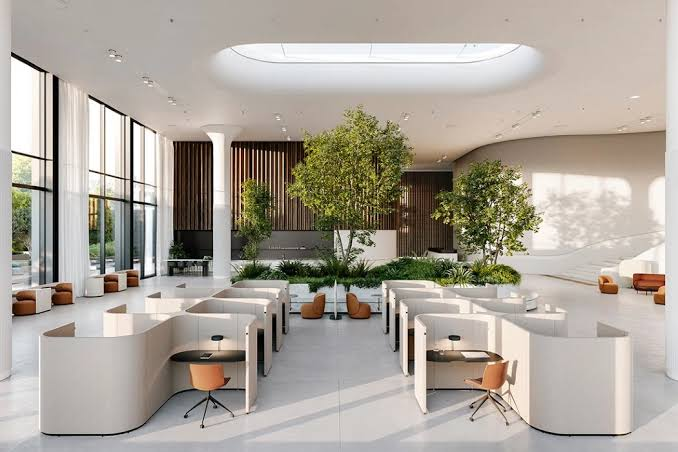
In today’s competitive business landscape, the physical workspace plays a pivotal role in shaping company culture, boosting employee productivity, and attracting top talent. As organizations evolve, so too must their environments. This has led to a surge in demand for professional office design services that go beyond mere aesthetics to create functional, inspiring, and adaptable spaces. Coupled with this is the growing need for commercial office refurbishment, which allows businesses to revitalize existing premises without the cost and disruption of relocating. This comprehensive guide explores the nuances of these services, their benefits, processes, and emerging trends that are redefining how we work.
The Strategic Importance of Thoughtful Office Design
Gone are the days when offices were sterile rows of cubicles designed solely for efficiency. Modern workplaces prioritize employee well-being, collaboration, and innovation. A well-designed office can reduce stress, enhance focus, and foster creativity—all critical factors in maintaining a competitive edge.
Office design services encompass a holistic approach that considers everything from spatial planning and ergonomics to lighting, acoustics, and branding integration. Professional designers begin by conducting thorough assessments of a company’s needs, workforce demographics, and operational workflows. This initial consultation phase is crucial for aligning the design with business objectives, whether it’s promoting open communication in a tech startup or providing quiet zones for concentration in a legal firm.
Key components of effective office design include:
- Zoning and Layout Optimization: Creating distinct areas for focused work, collaborative meetings, and relaxation. Flexible layouts with modular furniture allow for easy reconfiguration as teams grow or priorities shift.
- Biophilic Design Elements: Incorporating natural light, plants, and organic materials to connect occupants with nature, which studies show can improve mood and cognitive function.
- Technology Integration: Seamless embedding of smart systems for lighting, climate control, and audiovisual capabilities that support hybrid work models.
- Sustainability Focus: Using eco-friendly materials, energy-efficient systems, and waste-reduction strategies to minimize environmental impact while lowering operational costs.
Businesses investing in these services often see measurable returns, including higher employee retention rates and improved client perceptions during visits.
Why Commercial Office Refurbishment is a Smart Business Move
While new builds offer a blank canvas, most companies operate within established structures. This is where commercial office refurbishment shines as a cost-effective and sustainable alternative to full relocation. Refurbishment projects breathe new life into aging spaces, addressing wear and tear while incorporating contemporary standards for safety, accessibility, and performance.
The advantages of refurbishment are multifaceted:
- Cost Efficiency: Refurbishing can cost 30-60% less than new construction, depending on scope. It avoids expenses related to moving, downtime, and potential lease penalties.
- Minimal Disruption: Phased approaches allow sections of the office to remain operational, ensuring business continuity during the upgrade.
- Customization: Tailoring the space to current brand identity and future needs without starting from scratch.
- Compliance and Safety Upgrades: Updating electrical systems, fire safety measures, HVAC, and accessibility features to meet modern regulations.
- Enhanced Property Value: A refreshed office can significantly increase the asset’s market appeal for owners or landlords.
Successful commercial office refurbishment projects typically follow a structured timeline. It starts with a detailed site survey and feasibility study, followed by concept development, detailed planning with 3D visualizations, procurement of materials, construction, and final fit-out. Experienced contractors coordinate with designers to manage timelines, budgets, and stakeholder expectations effectively.
The End-to-End Process of Office Design Services
Engaging professional office design services involves collaboration across multiple disciplines, including interior designers, architects, engineers, and project managers. The process is iterative and client-centric:
- Discovery Phase: In-depth meetings to understand company culture, pain points with the current space, and vision for the future.
- Concept and Design Development: Creation of mood boards, floor plans, and renderings. This stage explores color schemes, furniture selections, and material palettes that reflect the organization’s ethos.
- Technical Planning: Detailed drawings for electrical, mechanical, and structural elements. This ensures the design is not only beautiful but buildable and compliant.
- Implementation: Coordination of tradespeople, quality control, and regular progress reviews.
- Post-Occupancy Evaluation: Follow-up assessments to measure success and make fine-tuning adjustments.
Throughout this journey, sustainability remains a core consideration. Many firms now prioritize LEED or BREEAM certifications, integrating renewable energy sources, recycled materials, and water-saving fixtures.
Emerging Trends Shaping the Future of Workspaces
The post-pandemic era has accelerated several trends in office design and refurbishment:
- Hybrid Work Models: Designs that support both in-person collaboration and remote connectivity, with bookable hot desks, video conferencing pods, and robust IT infrastructure.
- Wellness-Centric Spaces: Dedicated areas for mindfulness, fitness, or quiet reflection, along with improved air quality systems.
- Flexible and Agile Environments: Movable partitions, height-adjustable desks, and multi-purpose rooms that adapt to changing needs.
- Inclusive Design: Features ensuring accessibility for all employees, including varied seating options, sensory considerations, and universal design principles.
- Data-Driven Design: Utilization of sensors and analytics to understand space utilization patterns, informing smarter layouts and resource allocation.
In commercial office refurbishment projects, these trends are implemented by retrofitting older buildings with modern systems while preserving architectural character where possible—creating a blend of heritage and innovation that many find appealing.
Overcoming Common Challenges in Office Projects
Despite the benefits, office transformations come with hurdles. Budget overruns, unexpected structural issues, and stakeholder disagreements can derail timelines. Mitigation strategies include:
- Thorough risk assessments during planning.
- Clear communication channels and contingency funds.
- Selection of experienced partners with proven track records in both office design services and refurbishment.
Another challenge is balancing aesthetics with functionality. A visually stunning space that hampers productivity defeats the purpose. This is why integrated project delivery methods, where designers and contractors collaborate from day one, yield superior results.
Real-World Impact: Success Stories
Consider a mid-sized financial services firm that undertook a complete commercial office refurbishment of its 1980s-era headquarters. By introducing open-plan collaborative zones interspersed with private focus rooms and updating the entire HVAC system, the company reported a 25% increase in employee satisfaction scores within six months. Productivity metrics improved alongside reduced absenteeism.
Similarly, a creative agency leveraged expert office design services to transform a warehouse into a vibrant studio. Exposed brick walls combined with colorful acoustic panels and abundant greenery created an inspiring environment that not only retained talent but also impressed prospective clients during pitches.
These examples underscore the transformative power of investing in professional expertise rather than attempting DIY approaches that often fall short.
Budgeting and ROI Considerations
Costs for office design services and commercial office refurbishment vary widely based on size, complexity, and location. A typical mid-range project might range from $50 to $200 per square foot, including design fees, construction, and furnishings. However, the return on investment manifests in multiple ways:
- Increased employee engagement and output.
- Attraction and retention of high-caliber staff.
- Lower utility bills through energy-efficient upgrades.
- Stronger brand perception.
Many organizations calculate payback periods of 2-4 years, making these investments financially sound.
Choosing the Right Partners
Selecting providers for office design services and commercial office refurbishment requires careful evaluation. Look for firms with portfolios spanning various industries, strong references, and a transparent approach to project management. Certifications, insurance coverage, and a commitment to sustainable practices are additional markers of quality.
Virtual reality tours and digital twins are increasingly used in proposals, allowing clients to experience designs before any physical work begins.
Conclusion: Investing in the Future of Work
The modern workplace is far more than a collection of desks and chairs—it is a strategic asset that influences every aspect of business performance. Whether embarking on new office design services or revitalizing spaces through commercial office refurbishment, organizations that prioritize thoughtful, forward-thinking environments position themselves for long-term success.
As work continues to evolve with technological advancements and shifting employee expectations, proactive investment in workspace transformation will distinguish industry leaders from the rest. By creating spaces that inspire, support, and adapt, companies not only enhance their immediate operations but also build a foundation for innovation and growth in the years ahead.
The journey toward an optimized office environment begins with a single step: recognizing that change is not just necessary but opportunity-rich. With expert guidance, any organization can achieve a workspace that truly works for its people and its purpose.